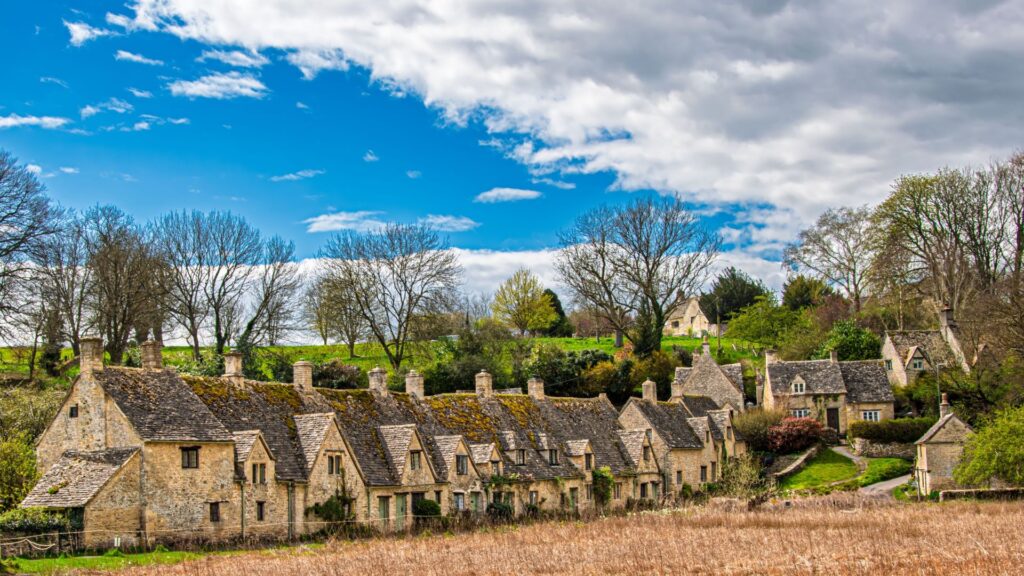
Ever wondered what the difference between hiking and rucking? Here’s an overview and comparison of the two…
If you’re a fan of the nature and outdoor adventures it’s likely you’ll have heard of both hiking and rucking. Both activities involve walking through different types of terrain, often in scenic areas, but the two offer distinct experiences, goals, and challenges, but what exactly are the differences between the two?
In this article, we’ll dive into the world of hiking and rucking, explore what each activity entails, highlight the ways in which they differ and help you decide which one best suits you.
What is Hiking?
Hiking is a recreational outdoor activity that involves walking through natural environments, such as forests, mountains, or trails. It became popular in the early 19th century as an organized activity and has since evolved into a favorite pastime worldwide
Countries with scenic landscapes, like the United States, Canada, and Switzerland are particular favourites for hiking enthusiasts. People hike for various reasons, from the physical challenge it offers to the mental relaxation and connection with nature it provides.
To start hiking, you’ll need suitable footwear, typically hiking boots or shoes, a map or GPS for navigation, water, snacks, weather-appropriate clothing, and a backpack for essentials.
While the term “hiking” is often used interchangeably with “trekking,” there is a subtle difference. Hiking generally refers to shorter, well-marked routes, while trekking involves longer, more challenging routes that can span several days and require camping gear.

What is Rucking?
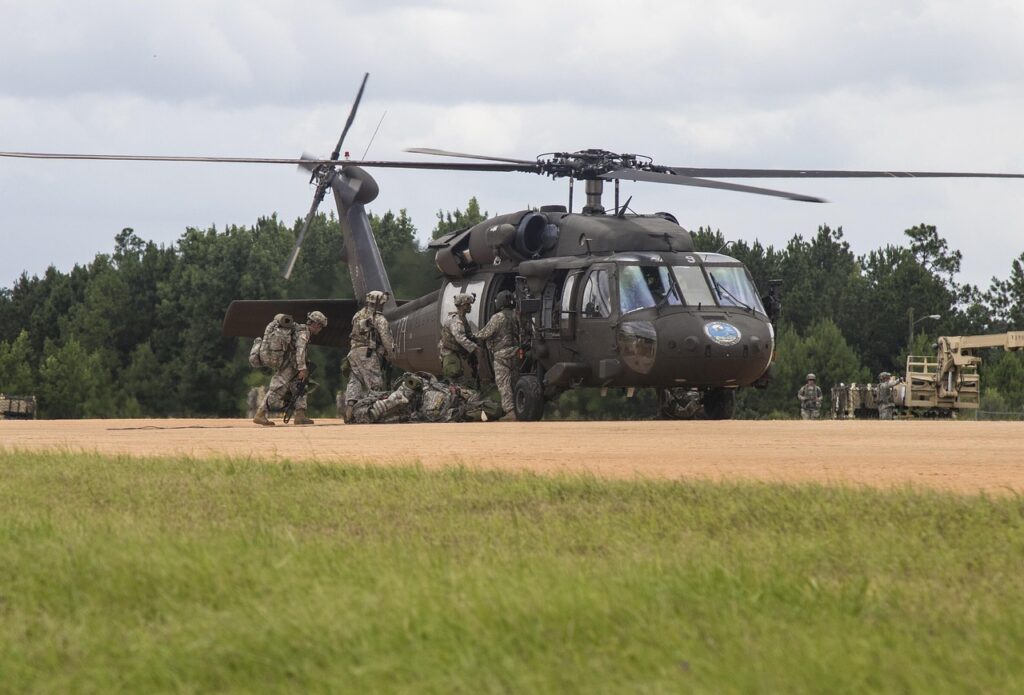
Rucking originated as a military exercise in which soldiers trained by walking with a heavy backpack, or “ruck,” loaded with supplies and gear. As a civilian activity, it’s grown in popularity over recent years, appealing to those who enjoy the physical benefits of hiking but seek additional strength and endurance challenges.
Rucking is especially popular in the United States and has been integrated into fitness communities and events, such as military-inspired challenges.
To start rucking, you’ll need a sturdy backpack, ideally with weight plates or bags of sand that are comfortable to carry over long distances, along with supportive footwear, typically rucking-specific boots or sturdy hiking boots.
Beginners may start with lighter weights, around 10-20 pounds, and gradually increase the weight as they build strength and endurance.
The Differences Between Hiking and Rucking
While both hiking and rucking share the basics of walking outdoors on varied terrains, they have several key differences that define the experience, purpose, and physical requirements of each activity.
- Purpose: Hiking is generally for leisure, exercise, or enjoying nature, while rucking is more physically intense, adding weight as a form of resistance training.
- Weight: Hiking involves a light backpack carrying essentials like water, food, and first aid, whereas rucking requires a heavier load to enhance physical endurance and strength.
- Intensity: Rucking is more intense due to the added weight and demands more physical endurance and strength, while hiking can be more leisurely depending on the trail.
- Duration: Hikes can vary from short, hour-long treks to multi-day journeys. Rucking is typically done over a shorter duration, as the added weight increases the workout’s difficulty.
- Impact on Muscles: Rucking places greater strain on the back, shoulders, and legs due to the added weight, making it a more full-body workout than hiking.
The Benefits of Hiking and Rucking
Though hiking and rucking have key differences, they share several physical and mental benefits due to their basis in walking and time spent outdoors.
- Improved cardiovascular health: Both activities help improve heart health, boosting circulation, lung capacity, and overall cardiovascular strength.
- Increased endurance: Regular participation in either activity builds stamina, enhancing your ability to handle longer distances over time.
- Mental health benefits: Being in nature can lower stress, reduce symptoms of anxiety, and improve mood, making both hiking and rucking great for mental well-being.
- Strength and muscle tone: Rucking offers additional strength benefits due to the weight carried, while hiking builds endurance in the legs, core, and lower back.
- Bone health: Weight-bearing activities like hiking and rucking contribute to stronger bones and reduced risk of osteoporosis.
- Weight loss: Both activities burn calories, with rucking typically burning more due to the added resistance of the weight.
Hiking Vs. Rucking: Which Is Most Suitable for You?
Deciding between hiking and rucking comes down to your personal goals, fitness level, and what you seek to achieve from the experience. Here are some points to consider:
- Schedule and Time Available: Hiking can be done leisurely over a long duration, making it ideal for weekends or longer breaks. Rucking, while intense, can be adapted to shorter time frames due to its higher workout intensity, making it suitable for busier schedules.
- Fitness Goals: If you want to boost endurance and enjoy a scenic walk, hiking might be the better fit. However, if you’re looking to incorporate strength and resistance training, rucking offers a greater physical challenge.
- Local Trails: Consider your surroundings. If there are trails that are hilly or rugged nearby, they could be more suited to hiking. Flatter terrains are ideal for rucking with heavier weight.
- Body Condition and Health: Rucking is more demanding on muscles and joints, so it’s important to assess your physical condition, especially if you have back or knee issues. Hiking is often lower impact and suitable for a wider range of fitness levels.
“First time on the trail? Hiking for Beginners has your back.”
In Conclusion
Whether you choose to hike or ruck, both activities offer a chance to enjoy nature while boosting physical and mental well-being. Hiking provides a slower-paced way to enjoy scenic trails, while rucking offers a high-intensity alternative with added strength benefits.
Ultimately, the choice comes down to your fitness goals, lifestyle, and how you wish to engage with the outdoors. With the right approach, both activities can be rewarding additions to your outdoor adventures.