

Practicing proper hygiene when on a hike is highly important. Here’s some helpful tips to keep you safe on day hikes, multi-day hikes, and thru-hikes…
Hiking offers an incredible opportunity to connect with nature, challenge your body, and rejuvenate your mind. However, one aspect that often gets overlooked is personal hygiene on the trail.
Whether you’re heading out for a day hike, embarking on a multi-day adventure, or tackling a thru-hike, maintaining good hygiene is essential.
It not only keeps you comfortable and healthy but also helps prevent common issues such as infections, rashes, and the spread of bacteria.
“First time on the trail? Hiking for Beginners has your back.”
Proper hygiene practices enhance your overall experience, allowing you to fully enjoy the natural beauty around you without unnecessary discomfort or health concerns.
Neglecting hygiene can lead to a host of problems, including skin infections, gastrointestinal issues, and unpleasant odors that make the journey less enjoyable for you and your companions.
What Are Hygiene Essentials for Hiking?
When preparing for a hike, one of the most critical steps is ensuring that all aspects of your personal hygiene are taken care of. The key to a successful and enjoyable hike lies in preparation, and this includes selecting the right hygiene products to take with you.
The challenge, however, is that the size and weight of the items you carry are limited. No matter how light or heavy your backpack is, after walking long distances, it will start to feel heavier and can slow you down significantly over time.
When pack weight matters, choose items that do multiple jobs well — versatility keeps your load light and your routine simple.
Therefore, it’s important to choose wisely, bringing only the essentials that will help you maintain a healthy level of hygiene without overburdening your pack.
Essential hygiene items are those that will help you stay clean, comfortable, and healthy throughout your hike. These items should be compact, lightweight, and versatile, serving multiple purposes if possible. Preparation is the key to making your trip enjoyable and safe, minimizing risks while maintaining hygiene.
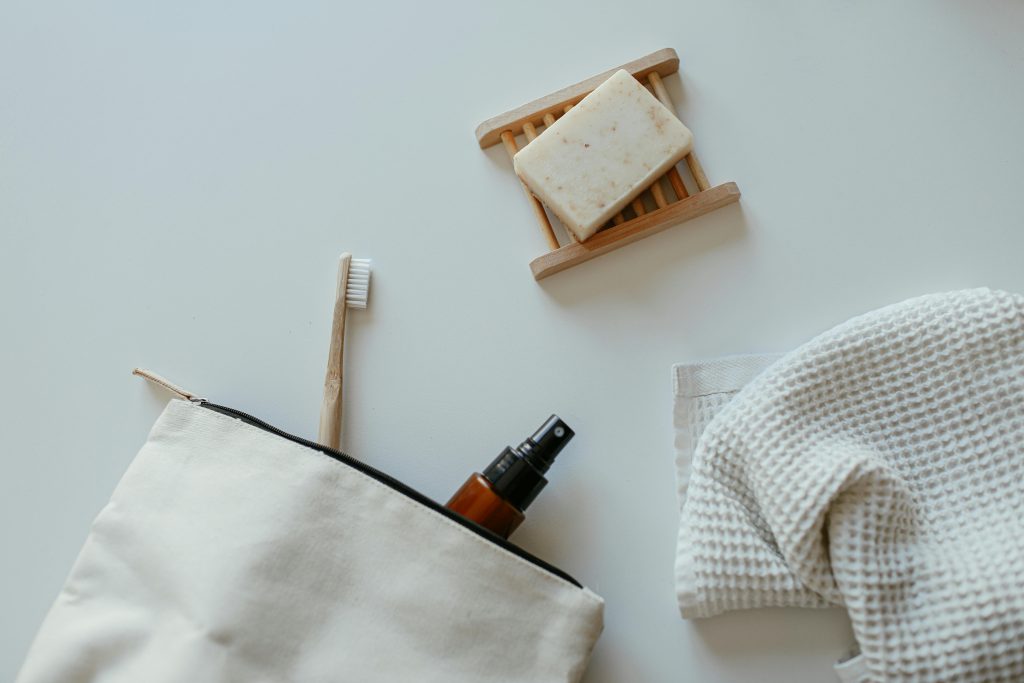
Essential Hygiene Items to Bring on a Hike
Bringing the right hygiene items can make all the difference on a hike, especially on longer treks where maintaining cleanliness can be challenging. Here are some essential hygiene items you should consider bringing:
- Biodegradable Soap: Essential for washing your hands, face, and body without harming the environment. Look for soaps that are free of harsh chemicals and designed for outdoor use.
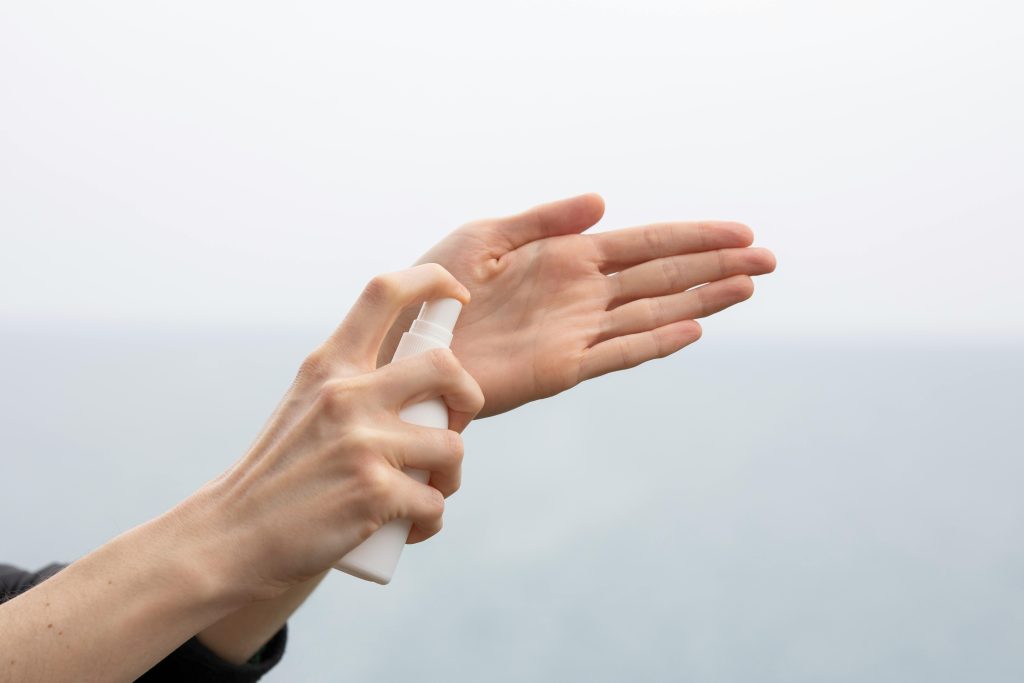
- Hand Sanitizer: Quick and easy to use when soap and water aren’t available. It’s crucial for preventing the spread of bacteria and germs.
- Toothbrush and Toothpaste: Dental hygiene is just as important on the trail as it is at home. A small travel-sized toothbrush and toothpaste are lightweight and easy to pack.
- Wet Wipes: Useful for quick clean-ups when water is scarce. Choose biodegradable wipes to minimize your environmental impact.
- Toilet Paper and Trowel: Essential for maintaining hygiene when nature calls. A lightweight trowel can help you dig a proper hole to bury waste.
- Microfiber Towel: Compact and quick-drying, a microfiber towel is perfect for drying off after a wash or wiping sweat during the hike.
- Foot Powder: Helps keep your feet dry and prevents blisters and fungal infections, which are common problems on long hikes.
- Sunscreen and Lip Balm: Protect your skin and lips from sunburn, which can be painful and increase your risk of skin cancer.
- Feminine Hygiene Products: Women should bring the necessary items to manage menstruation on the trail (more on this in a later section).
Unnecessary Items You DO NOT Need to Bring on a Hike
While it’s important to be prepared, overpacking can weigh you down and make your hike more difficult than it needs to be. Here are some common items that are often brought along but are not necessary:
- Heavy Bottles of Soap or Shampoo: These take up space and add unnecessary weight. A small bottle of biodegradable soap is all you need.
- Large Towels: A full-sized towel is bulky and unnecessary. Opt for a small, quick-drying microfiber towel instead.
- Perfume or Deodorant: While you might want to smell fresh, these products can attract insects and animals. Your natural scent is part of the hiking experience.
- Excessive Amounts of Clothing: Pack only what you need. Multiple changes of clothes are unnecessary; instead, bring lightweight, quick-drying clothes that can be layered.
- Bulky First Aid Kit: A basic, compact first aid kit is sufficient. You don’t need to carry a full medical kit unless you’re going on a particularly remote or dangerous hike.
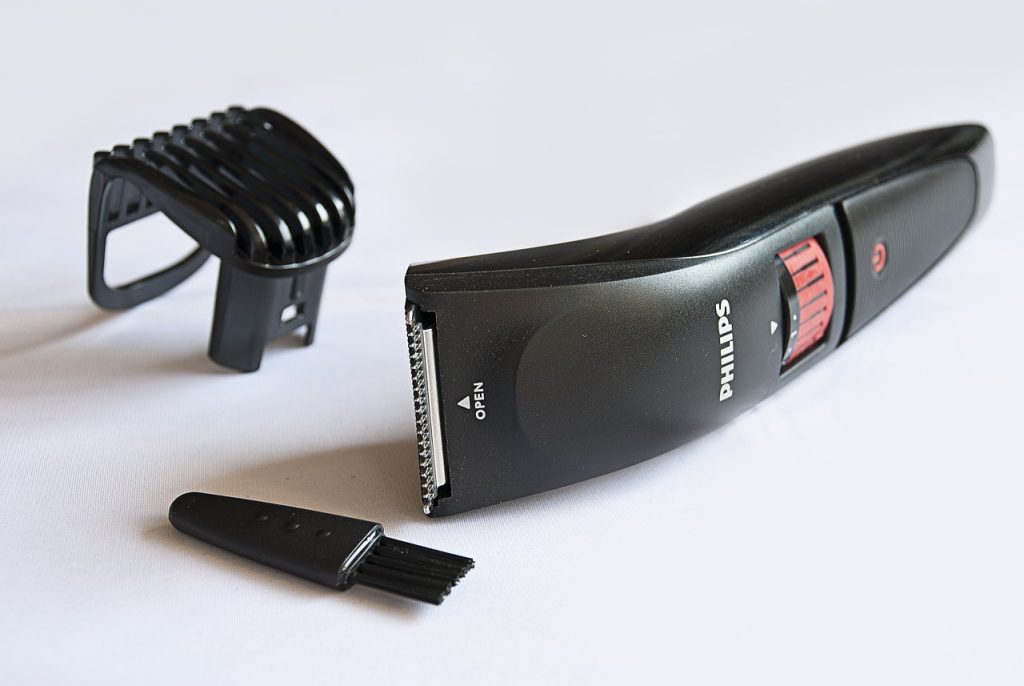
- Electric Razors or Hairdryers: These items are not only heavy but also impractical in the wilderness. Embrace the natural look while you’re on the trail.
Tips and Advice to Help Maintain Clean Personal Hygiene When Hiking
Maintaining hygiene in the wilderness doesn’t have to be a daunting task. With the right tips and tricks, you can stay clean and comfortable throughout your hike. Here are some of the best, most useful hygiene tips for hiking:
- Pay Special Attention to Feet, Armpits, and Groin Area: These areas are prone to sweat and bacteria buildup, leading to irritation and infection. Wash and dry them regularly.
- Carry a Lightweight Hygiene Kit: Include essentials like a small mirror, tweezers, and a nail clipper to handle basic grooming tasks.
- Use Multipurpose Items: For example, a bandana can serve as a washcloth, towel, or even a pot holder.
- Practice Leave No Trace: Always pack out all your trash, including used wet wipes and hygiene products. Respect the environment by leaving it as you found it.
- Create a Routine: Establish a daily hygiene routine, even if it’s just a quick wipe down with wet wipes and brushing your teeth. Consistency is key to staying clean.
How to Manage Menstruation When on a Hike
For women, managing menstruation on a hike can be challenging but not impossible. With the right preparation and mindset, it can be handled discreetly and hygienically. Here are some tips to help:
- Use Menstrual Cups: These are reusable, eco-friendly, and compact. They require less frequent changing than tampons or pads, making them ideal for long hikes.
- Pack Out Used Products: Always pack out any used sanitary products. Bring along a zip-lock bag to store them until you can dispose of them properly.
- Stay Clean: Use wet wipes or biodegradable soap to clean yourself regularly. Pay extra attention to hygiene during your period to prevent infections.
- Plan Ahead: If possible, plan your hike around your menstrual cycle. If that’s not feasible, prepare for the hike with all the necessary supplies.

How to Shower When on a Hike
Maintaining personal hygiene on a hike often means getting creative with your resources, especially when it comes to showering. While you might not have access to a traditional shower, you can still freshen up using a few key items:
- Portable Shower Bag: This is a solar-heated bag that can hold water and has a nozzle for easy showering. Fill it with water, hang it in the sun to warm up, and use it to rinse off.
- Biodegradable Soap: Use this with your portable shower bag or in a nearby water source to clean your body without harming the environment.
- Microfiber Towel: After your shower, use a quick-drying microfiber towel to dry off efficiently.
- Wet Wipes: In the absence of a shower, wet wipes can be a great substitute for a quick clean-up.
- Dry Shampoo: If washing your hair isn’t possible, dry shampoo can help absorb oils and leave your hair feeling fresher.
When setting up your temporary shower, always be mindful of the environment. Avoid contaminating water sources and be sure to pack out all waste.
In Conclusion
Hiking is a rewarding experience that allows you to connect with nature and challenge yourself physically and mentally. However, maintaining good hygiene is crucial for a safe and enjoyable trip.
By packing the right essentials, conserving energy, and following these hygiene tips, you can ensure that your hiking experience is comfortable, healthy, and environmentally responsible.
Whether you’re a seasoned hiker or a beginner, these practices will help you stay clean, confident, and ready to tackle the trails.


