

We all know exercise is just as important as diet when it comes to shedding extra pounds. Fortunately hiking is good for weight loss and can be a powerful accelerator for people striving to lose weight…
Hiking is often celebrated as a great outdoor activity that connects you with nature, provides a mental break, and enhances your physical fitness. But is hiking also good for weight loss?
The simple answer is yes. Hiking is good for weight loss, as well as having a very low barrier to entry and being a great reason to get outside more.
This article explores how hiking and weight loss are interconnected, how you can maximize the benefits, and what you need to know to make your hiking journey as effective as possible in reaching your weight loss goals.

Is it Possible to Burn Fat by Hiking?
Absolutely, hiking is an effective way to burn fat. The process behind this weight loss comes down to the number of calories burned during the hike.
When you engage in any form of physical activity, your body uses energy, measured in calories, to perform the task.
Hiking, especially on varied terrains and elevations, can significantly increase your calorie expenditure, which in turn helps you burn fat.
The reason hiking is particularly effective for fat burning lies in its ability to combine cardiovascular exercise with resistance training.
“Every hiker starts somewhere — grab your free Hiking for Beginners guide.”
Walking on a trail, especially one with inclines and rough terrain, engages multiple muscle groups, including your legs, core, and even your arms if you’re using trekking poles.
The effort required to navigate these paths forces your body to burn more calories to sustain the activity, making hiking a comprehensive workout that promotes fat loss.
Moreover, hiking often involves prolonged periods of physical exertion. Unlike a short burst of high-intensity exercise, a hike can last several hours, keeping your heart rate elevated for extended periods.
This sustained activity is crucial for fat burning because it taps into your body’s fat stores for energy, leading to a gradual and consistent reduction in body fat over time.
Calorie Burning Factors
Understanding calorie burning factors is essential to fully grasp how hiking contributes to weight loss.
These factors refer to the various elements that influence the number of calories you burn during a physical activity.
Hiking, in particular, is known to burn more calories than simple walking due to the added resistance and variable intensity.
Some of the most common and effective calorie-burning factors include:
- Terrain: Hiking on uneven or steep terrain requires more effort than walking on flat ground, leading to higher calorie burn. The more challenging the trail, the more energy your body needs to navigate it.
- Pace: The speed at which you hike directly affects how many calories you burn. A faster pace increases your heart rate, which in turn raises your calorie expenditure.
- Elevation Gain: Hiking on trails with significant elevation gain forces your body to work harder, especially your leg muscles. Climbing uphill burns a considerable amount of calories because your body is not only moving forward but also lifting itself against gravity.
- Body Weight: Your body weight also plays a role in calorie burn. Generally, the more you weigh, the more calories you will burn during physical activity because it takes more energy to move a heavier body.
- Duration: The length of your hike is another crucial factor. Longer hikes will naturally burn more calories than shorter ones, provided you maintain a steady pace.
By understanding and maximizing these factors, you can significantly boost the number of calories you burn during a hike, making it an effective tool for weight loss.

How to Burn Fat By Hiking
If you’re committed to using hiking as a method for fat loss, there are specific techniques and strategies you can employ to enhance your results.
Here are some of the most common methods for burning additional fat when hiking:
Hike For Long Periods
The longer you hike, the more calories you burn. Extended periods of hiking keep your body in a state of fat-burning mode, as it continues to use energy to sustain the activity. Aim for hikes that last at least two hours or more to maximize fat burn.
Hike Up Hills Or Inclines
Incorporating hills and inclines into your hike adds an element of resistance training.
Hiking uphill engages your leg muscles more intensely and increases your heart rate, both of which contribute to a higher calorie burn.
The steeper the incline, the harder your body works, leading to more fat being burned.
Consistency beats intensity — even slow, steady hikes can create powerful fat-loss results when done regularly.
Hike At A Faster Pace
Increasing your hiking pace is an effective way to burn more calories in a shorter amount of time.
A brisk pace elevates your heart rate and challenges your cardiovascular system, promoting more significant fat loss.
Try to maintain a pace that pushes you but still allows you to sustain the hike over a longer period.
Interval Hiking
Similar to interval training, alternating between periods of fast hiking and slower recovery can boost your calorie burn.
For example, hike at a fast pace for 5 minutes, then slow down for 2 minutes to recover, and repeat. This method keeps your heart rate elevated and maximizes fat burning.
Use Weights or a Weighted Vest
Adding extra weight to your hike, either by carrying a heavier backpack or wearing a weighted vest, increases the resistance your body has to overcome, leading to more calories burned.
This technique is especially useful if you’re hiking on a relatively flat trail where the natural resistance is lower.
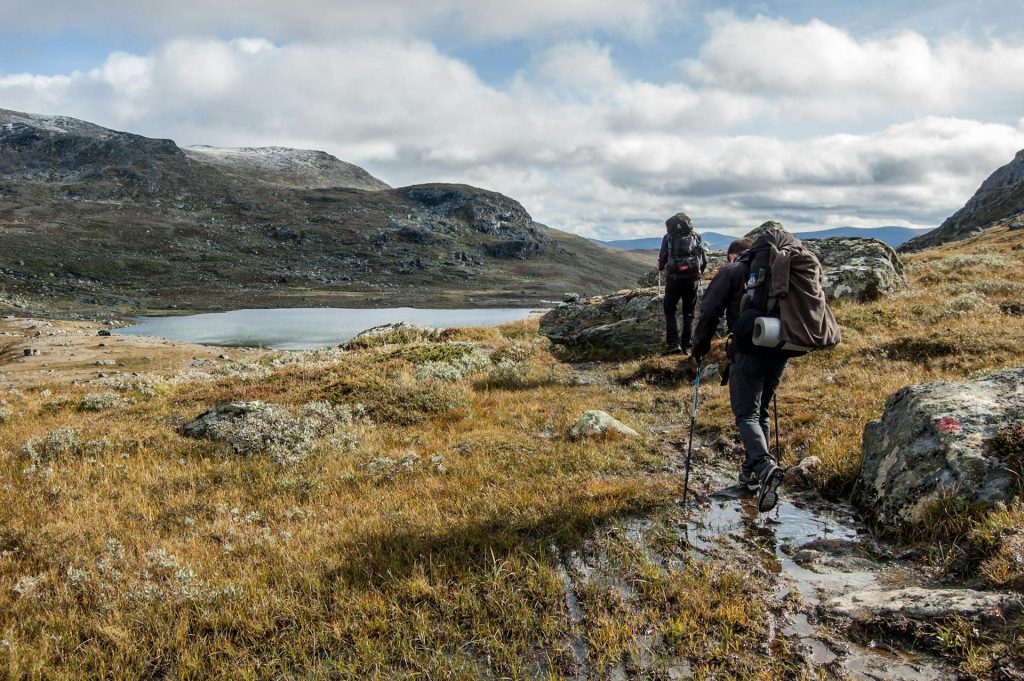
Tips and Advice For Hiking to Burn Fat
Regardless of your fitness level or the difficulty of the trail, there are several tips you can follow to make your hike more effective for fat loss:
- Select the Correct Equipment: Wearing the right gear is crucial for a successful hike. Proper hiking boots with good traction can help prevent slips and falls, while moisture-wicking clothing keeps you comfortable by managing sweat. Additionally, using trekking poles can provide extra stability and engage your upper body muscles, further increasing calorie burn.
- Warm-up and Cool-down: Just like any other workout, warming up before your hike and cooling down afterward are essential. A proper warm-up prepares your muscles and joints for the activity ahead, reducing the risk of injury. Cooling down with some light stretching helps to gradually lower your heart rate and prevents muscle stiffness, aiding in recovery.
- Listen to Your Body: Hiking can be strenuous, especially if you’re tackling challenging terrain. It’s important to listen to your body and recognize when you need to take a break or adjust your pace. Pushing yourself too hard can lead to injury, which could derail your weight loss efforts.
- Choose a Suitable Route: Selecting a trail that matches your fitness level is key. Start with easier trails if you’re new to hiking and gradually progress to more challenging ones as your fitness improves. Choosing a route with varied terrain can keep the hike interesting and challenging, which is beneficial for burning more calories.
- Set Reasonable Objectives: Setting realistic goals for your hikes can keep you motivated and on track with your weight loss journey. Whether it’s aiming to hike a certain distance or reaching a specific elevation gain, having clear objectives helps to measure your progress and maintain your commitment.
🗒️ Free Checklist: Planning your next hiking trip?? Download our printable hiking checklist to make sure you don’t miss the essentials.
In Conclusion
Hiking is not only an enjoyable outdoor activity but also a highly effective way to lose weight.
By understanding the factors that influence calorie burning and incorporating specific techniques into your hikes, you can maximize fat loss and achieve your weight loss goals.
Remember to prepare adequately, listen to your body, and set achievable targets. With consistency and the right approach, hiking can become a powerful tool in your journey to better health and fitness.


